
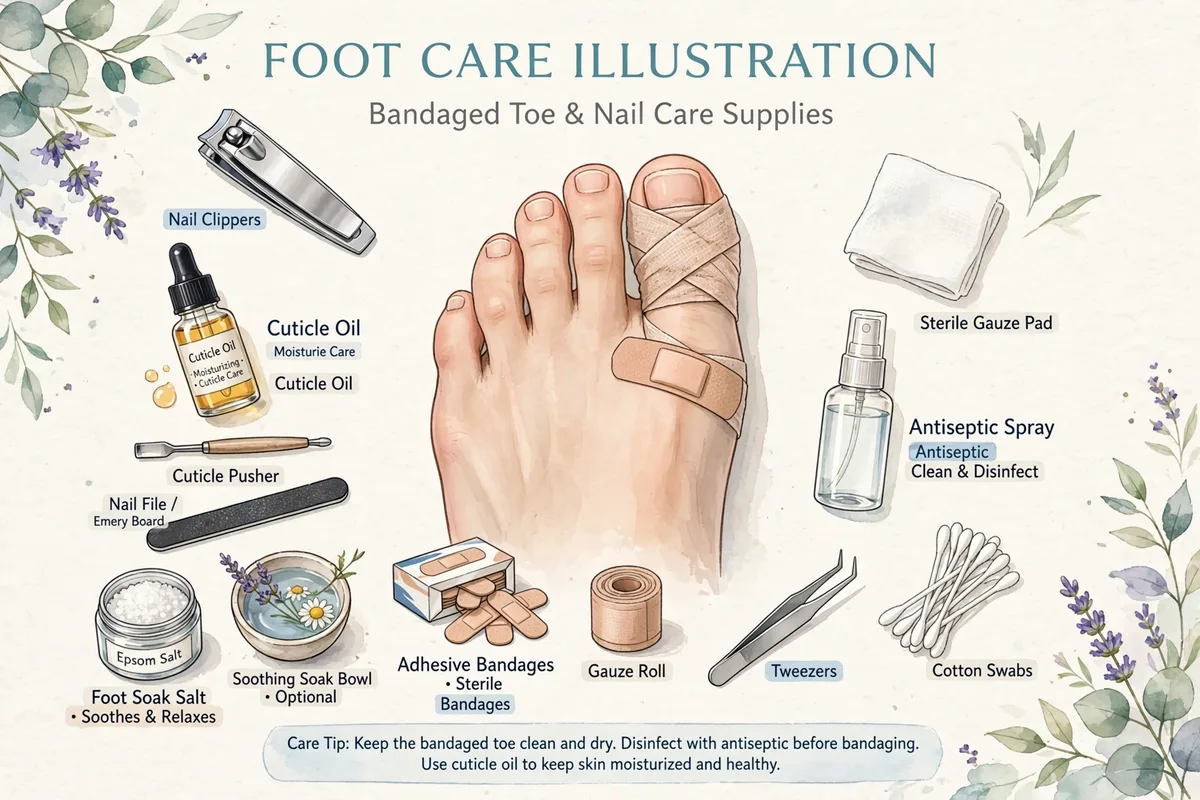
A blackened, loosened toenail after a stubbed toe or a long run is more common than most people realize, and the good news is that most cases heal perfectly well at home. The short version of dead toenail care: keep it clean, trim only what is already detached, protect the nail bed with ointment and a bandage, and watch for signs of infection. A new nail will grow in over several months to replace the old one.
This guide walks you through what a “dead” toenail actually is, how to care for it step by step, what to avoid, and when it is time to see a doctor or podiatrist. Nothing here replaces medical advice — if you are unsure about your situation, a professional can assess it quickly.
What Is a Dead Toenail?
A “dead” toenail usually means a nail that has separated from the nail bed (onycholysis) and will eventually fall off. The nail itself is already keratin — it was never “alive” — but the tissue underneath keeps it anchored. When that attachment is disrupted, the nail looks dark (often black or deep purple), feels loose, and may lift at the edges.
The most common causes include:
- Trauma. Stubbing your toe, dropping something heavy on your foot, or repetitive impact from running and hiking. Runners call the black toenail a badge of honor, but it still needs care.
- Blood under the nail. A bruise beneath the nail (subungual hematoma) creates pressure and that dark color. It is the number-one reason a toenail dies.
- Fungal infection. Severe, long-standing nail fungus can crumble the nail over time.
- Ill-fitting shoes. Shoes that are too tight or too small jam the toes against the front of the shoe during walking and sports.
Toenails regrow slowly — a full replacement can take up to 12 to 18 months — so patience is part of the care plan from day one.
First Steps: Assess the Damage
Before you do anything, take a look and figure out what you are dealing with.
- Is the nail still mostly attached? Then leave it alone for now. The old nail actually protects the tender nail bed while the new nail grows underneath.
- Is it partially lifted with a loose flap? You can carefully trim the detached part so it does not catch on socks and tear further.
- Is there severe throbbing pain right after an injury? That may be trapped blood under the nail. Relieving that pressure usually requires a doctor — do not try to drill or puncture the nail yourself.
- Is there swelling, pus, or a bad smell? Those are infection signs. Skip home care and call a healthcare provider.
If you have diabetes, poor circulation, or a weakened immune system, be extra cautious: even a small foot wound can turn into a serious problem. See a professional rather than managing it at home.
How to Care for a Dead Toenail at Home
Step 1: Clean Your Hands and the Toe
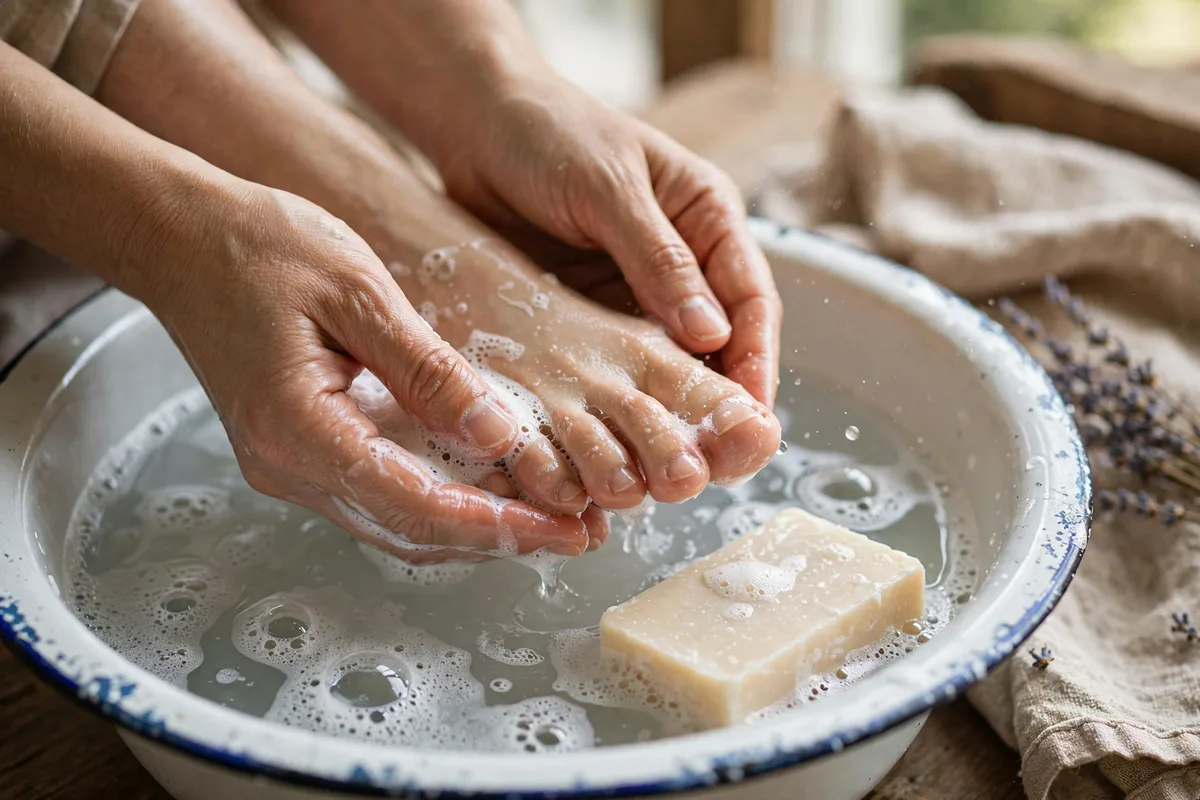
Wash your hands and the affected foot with soap and warm water. Pat the toe completely dry with a clean towel. Cleanliness matters because the nail bed is vulnerable once the nail starts lifting.
Step 2: File or Trim Only the Detached Part
Using clean, sterilized nail clippers or scissors (wipe them with rubbing alcohol first), carefully trim away any portion of the nail that is already separated from the nail bed. Cut straight across in small cuts rather than pulling. Never force off a nail that is still firmly attached — you will cause bleeding and open the door to infection.
If the nail has sharp edges that snag on socks, file them smooth with an emery board instead of cutting close to the skin.
Step 3: Soak the Toe
Soak the toe in a basin of warm water with about a teaspoon of salt per quart of water for 10 to 20 minutes. This softens the area, eases soreness, and helps keep it clean. Do this once or twice a day for the first few days.
Step 4: Apply Antibiotic Ointment or Petroleum Jelly
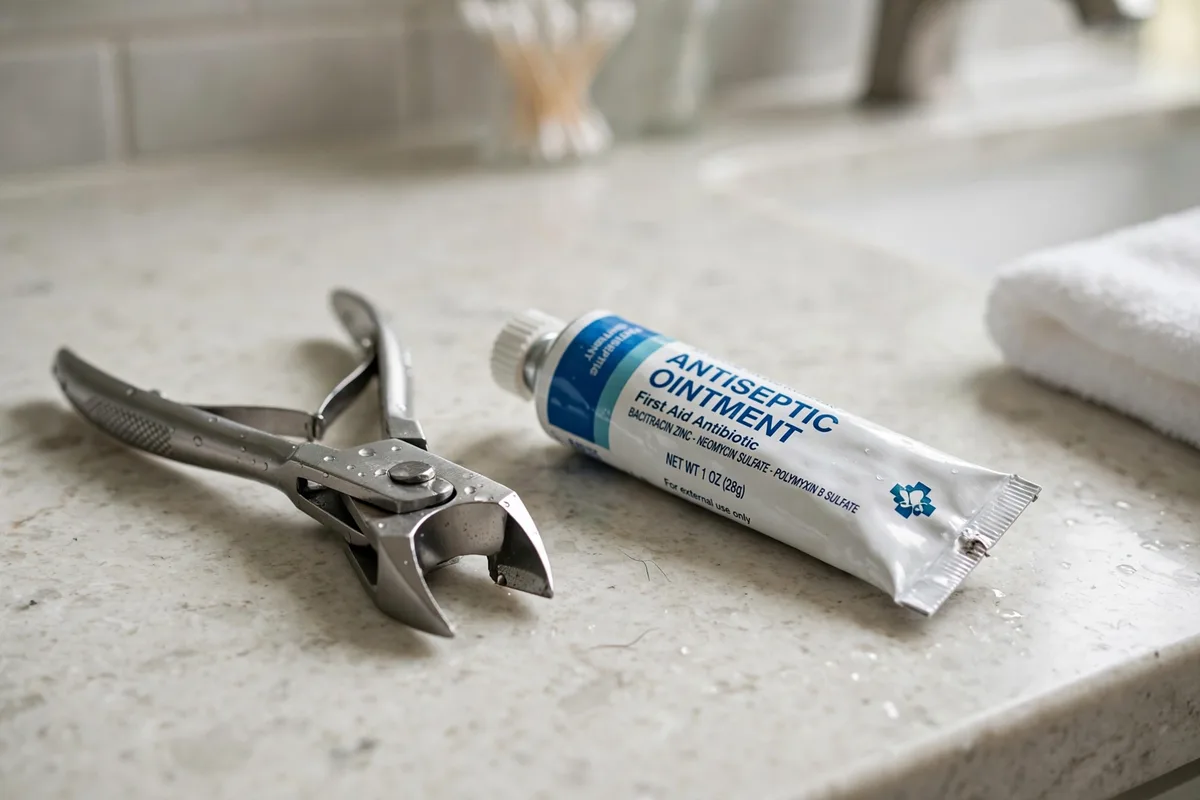
After soaking and drying the toe, apply a thin layer of over-the-counter antibiotic ointment (or plain petroleum jelly if you prefer) over the exposed nail bed and the remaining nail. This keeps the tissue moist, protected, and less likely to crack while it hardens.
Step 5: Cover with a Nonstick Bandage
Cover the toe with a nonstick adhesive bandage. Change the bandage daily, and change it right away if it gets wet or dirty. Keep the nail bed covered and protected for 7 to 10 days, until the exposed skin firms up and is no longer tender. If a bandage sticks, soak the toe in warm water until it slips off rather than pulling.
Step 6: Elevate and Ice If There Is Swelling
For the first couple of days after an injury, prop your foot on pillows so it is above the level of your heart. Apply an ice pack wrapped in a thin towel for up to 20 minutes at a time, a few times a day. An over-the-counter pain reliever such as ibuprofen can help with pain and swelling — follow the package directions.
Step 7: Watch and Wait
Let the nail fall off on its own. Underneath, a new nail is already growing. Keep the area clean and dry as it emerges, wear well-fitting shoes, and give it time. Most people can go about normal activities while wearing sandals or roomy shoes.
What Not to Do
- Do not rip off a loose nail. Even if it is hanging by a thread, trim it — don’t tear it. Tearing can rip living tissue.
- Do not pick at the nail bed. Picking introduces bacteria and delays healing.
- Do not apply harsh antiseptics repeatedly. Hydrogen peroxide and strong iodine solutions can irritate healing skin. Soap, water, and ointment are enough.
- Do not ignore a nail that keeps dying repeatedly. A toenail that repeatedly separates may signal a chronic fungal infection or a biomechanical issue worth a professional evaluation.
When to See a Doctor or Podiatrist
Home care handles most cases, but get professional help when:
- The toe is severely painful and the nail is still intact with blood trapped underneath.
- You notice increasing redness, warmth, swelling, pus, or red streaks spreading from the toe.
- You develop a fever.
- The nail bed looks deformed or the injury was severe (a crush injury or deep cut).
- You have diabetes, circulation problems, or neuropathy in your feet.
- The new nail grows in thick, discolored, or misshapen, which can indicate a fungal infection needing treatment.
A doctor can safely drain trapped blood, trim the nail under sterile conditions, or remove the nail entirely if that is the best option.
Tips for Protecting the New Nail
- Wear properly fitting shoes. There should be about a thumb’s width of space between your longest toe and the shoe’s front.
- Trim nails straight across, not rounded, and keep them short enough that they do not hit the shoe.
- Keep feet dry. Change socks after sweaty workouts; damp environments invite fungus.
- Wear flip-flops in locker rooms and communal showers to reduce fungal exposure.
- Do not cover the new nail with polish constantly while it is growing in — let it breathe and stay easy to monitor.
Frequently Asked Questions
Will a dead toenail grow back?
Yes, in most cases. A new nail grows from the matrix at the base. Toenails grow slowly, so full regrowth can take 12 to 18 months. The nail usually grows back normally unless the matrix itself was badly damaged.
Should I pull off a dead toenail?
No. Let it fall off naturally, and trim only the parts that are already detached. Forcing it off can tear the nail bed, cause bleeding, and increase infection risk.
How long should I keep it bandaged?
Keep the exposed nail bed covered for about 7 to 10 days, changing the bandage daily, until the skin hardens and tenderness fades. After that, you can leave it uncovered as long as it stays clean.
Can I exercise with a dead toenail?
Light exercise is usually fine once pain and tenderness settle. Wear supportive, roomy footwear and keep the toe bandaged during activity. Avoid sports that hammer the toes (like downhill running or soccer) until the nail bed is no longer sensitive.
What if the new nail grows in weird?
A nail that grows in thick, yellow, or crumbly may have a fungal infection. See a doctor or podiatrist — fungal nails are treatable, and early treatment works best.
Does a dead toenail always turn black?
Not always. Trauma usually causes a black or purple color from blood under the nail, but fungal damage can make the nail yellow, white, or brown instead. The color alone does not tell you the cause.
The Bottom Line
Dead toenail care is mostly about protection and patience: clean the area, trim only what is loose, keep the nail bed covered with ointment and a fresh bandage, and let the new nail do its work over the coming months. Most nails heal and regrow without any drama. Just keep an eye out for infection signs — and when in doubt, let a professional take a look.
For more home injury-care basics, see our guide on how to tape a thumb for support if you ever need to stabilize a sprained digit, and if you know someone on the mend from any small injury, a few funny get well soon messages never hurt the healing process.