

If you’ve ever heard a chaperone at a school dance call out “leave room for Jesus!” — or seen “danced without leaving room for Jesus” on a purity test or a meme — you’ve encountered one of American Christian youth culture’s most enduring phrases. The short answer: dancing without leaving room for Jesus means dancing so closely with a partner that there’s no physical space between you — full body contact, the kind of slow-dance closeness that conservative Christian teaching considered inappropriate.
The phrase is usually half joke, half moral instruction. Understanding where it came from explains why it stuck around.
Where the Phrase Comes From
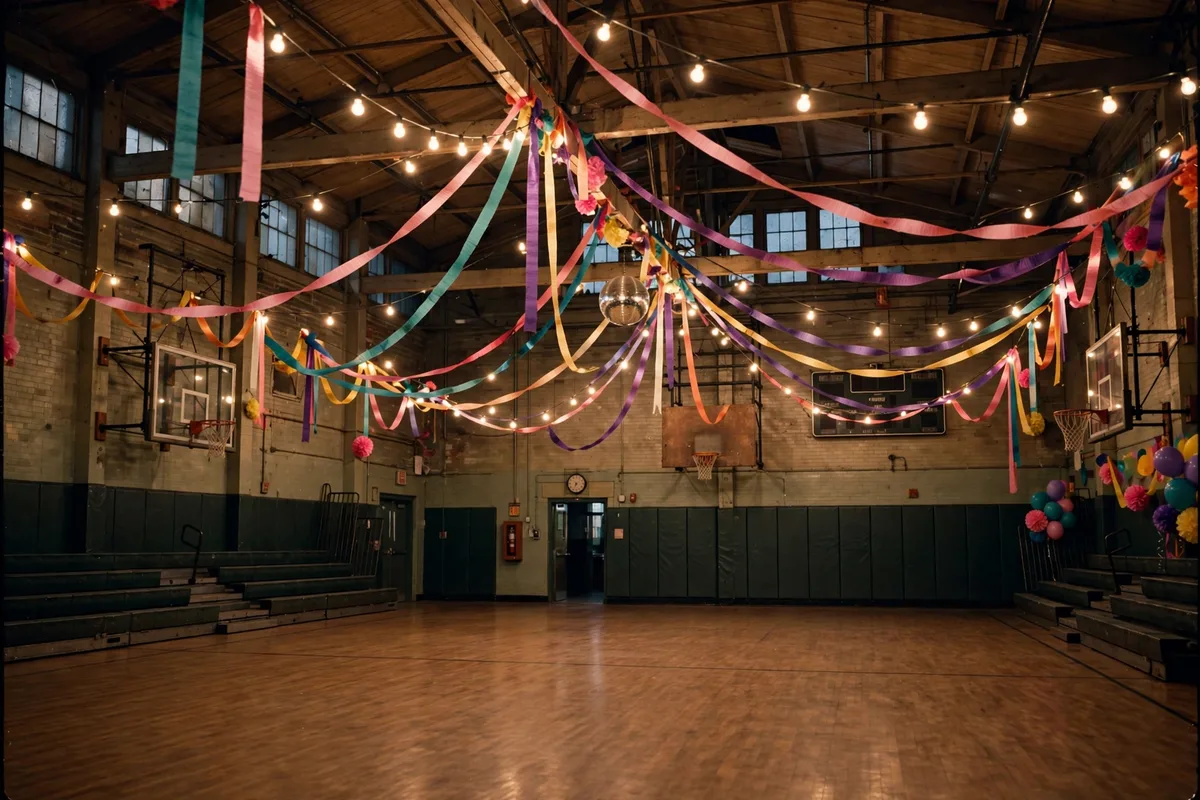
There’s no single documented origin, but the pieces are well established. The phrase grew out of mid-20th-century American Christian youth culture, particularly in Catholic and evangelical communities, where school dances and church socials came with chaperones and rules. The idea was simple: when a boy and girl danced, they should keep enough space between them that Jesus could metaphorically fit in the gap — a vivid, memorable way of saying keep your pelvises apart.
The concept got its widest exposure through the Rice Purity Test, a 100-question checklist that originated at Rice University in Houston, Texas (often dated to 1924, though the exact history is debated). One of its questions asked whether the taker had ever “danced without leaving room for Jesus.” As the test circulated on college campuses and later became one of the internet’s earliest viral memes, the phrase rode along with it.
By the 1980s and 1990s, “leave room for Jesus” was a staple of Catholic school dances and evangelical youth group events, delivered by moderators with a mix of earnestness and humor. It belonged to a whole ecosystem of purity-culture messaging from that era — purity rings, purity pledges, and youth sermons about guarding your heart.
What “Leaving Room for Jesus” Actually Meant in Practice
The theology behind the phrase was straightforward for the communities that used it: physical closeness leads to temptation, temptation leads to sin, so maintain a buffer. In practice, the “room” was described in memorably physical terms:
- The Bible-length rule: some chaperones said the gap should be wide enough to fit a Bible between the dancers.
- The no-pelvis-contact rule: the specific concern was hips and torsos touching during slow dances.
- The arms-length guideline: in stricter settings, dancers were told to keep a forearm’s distance.
Whether any of this reliably prevented anything is beside the point — the phrase was doing cultural work. It gave adults a funny, non-graphic way to talk about sexual boundaries with teenagers, and it gave teenagers a shared joke that acknowledged the awkwardness of being policed on the dance floor.
How the Meaning Expanded
Over time, the phrase escaped its original context and picked up a second, broader meaning. Beyond the literal dance-floor rule, “dancing without leaving room for Jesus” became a metaphor for letting any worldly pleasure crowd out your spiritual life — getting so absorbed in dating, partying, career ambition, or entertainment that there’s no room left for faith.
You’ll see this extended meaning in sermons and Christian lifestyle writing: the “dance” is whatever consumes your attention, and “leaving room for Jesus” means keeping your priorities ordered. It’s a gentler use of the phrase — less about policing teenagers’ bodies, more about examining your own habits.
The Phrase in Pop Culture and Memes
Today, “leave room for Jesus” survives mostly as humor and nostalgia:
- Memes: The phrase circulates on social media as a punchline about strict religious upbringings — often with photos of couples dancing cheek-to-cheek or prom pictures with ironic captions.
- Nostalgia: Millennials and Gen Xers who grew up in Catholic or evangelical youth groups reference it as a shared cultural touchstone, the way others reference specific PSAs or after-school specials.
- The Rice Purity Test revival: The test periodically resurges on TikTok and other platforms, and each wave reintroduces the phrase to a new generation — many of whom encounter it as a joke first and learn the history later.
- Gentle parody: You’ll find it on T-shirts, mugs, and wedding reception signs (“Please leave room for Jesus on the dance floor”), usually deployed with affection rather than moral panic.
The humor works because the image is inherently funny: the Son of God squeezed between two teenagers at a homecoming dance. Even many people who grew up hearing it sincerely now repeat it fondly.
Why It Endures
A few reasons this particular phrase outlasted countless other youth-group slogans:

- It’s vivid. Abstract lectures about “purity” fade; a mental image of Jesus as a dance chaperone sticks.
- It’s funny. The best moral instruction for teenagers has always smuggled the lesson inside a joke.
- It’s flexible. The metaphor stretches from literal dance floors to general life priorities without breaking.
- It’s a generational marker. Saying it instantly identifies you as someone who grew up in a particular American religious subculture — it’s insider language that became outsider entertainment.
Like many phrases from that world, it’s worth understanding on its own terms before judging it. For the communities that coined it, it was a sincere (if awkward) attempt to help young people navigate real questions about intimacy and boundaries. For everyone else, it’s a fascinating little window into how American Christianity talked to its teenagers.
If you enjoy decoding party-culture phrases and games, our guides to ride the bus card game rules and guess the lyrics game ideas cover more staples of the social gatherings where phrases like this one were born.
Frequently Asked Questions
What does “dancing without leaving room for Jesus” mean?
It means dancing extremely close to a partner — full body contact, no space between you. The phrase comes from the Christian youth-culture instruction to “leave room for Jesus,” i.e., keep a modest physical gap between dance partners.
Where did “leave room for Jesus” originate?
The exact origin isn’t documented, but it emerged from mid-20th-century American Christian (especially Catholic and evangelical) youth culture. It was popularized nationally by the Rice Purity Test, which included “danced without leaving room for Jesus” among its 100 questions, and by school-dance chaperones in the 1980s–90s.
Is it from the Rice Purity Test?
The Rice Purity Test is the biggest popularizer, though the saying likely predates the test’s internet fame. The test, said to have originated at Rice University in Houston, Texas, asks takers whether they’ve ever “danced without leaving room for Jesus” as one measure of youthful experience.
What does it mean metaphorically?
Beyond dancing, it’s used to describe getting so absorbed in worldly pleasures — dating, partying, ambition, entertainment — that you neglect your spiritual life. In this sense, “leaving room for Jesus” means keeping faith at the center of your priorities.
Do people still say “leave room for Jesus”?
Sincerely, in some conservative youth groups — yes, occasionally. But mostly the phrase survives as a meme, a nostalgia reference, and a joke on wedding dance floors. Its moral-policing days are largely behind it.
Is the phrase offensive?
Not generally. It’s usually used humorously, including by people who grew up hearing it. That said, it comes from purity culture, which some people experienced as shaming — so be mindful of your audience before deploying it as a joke.