
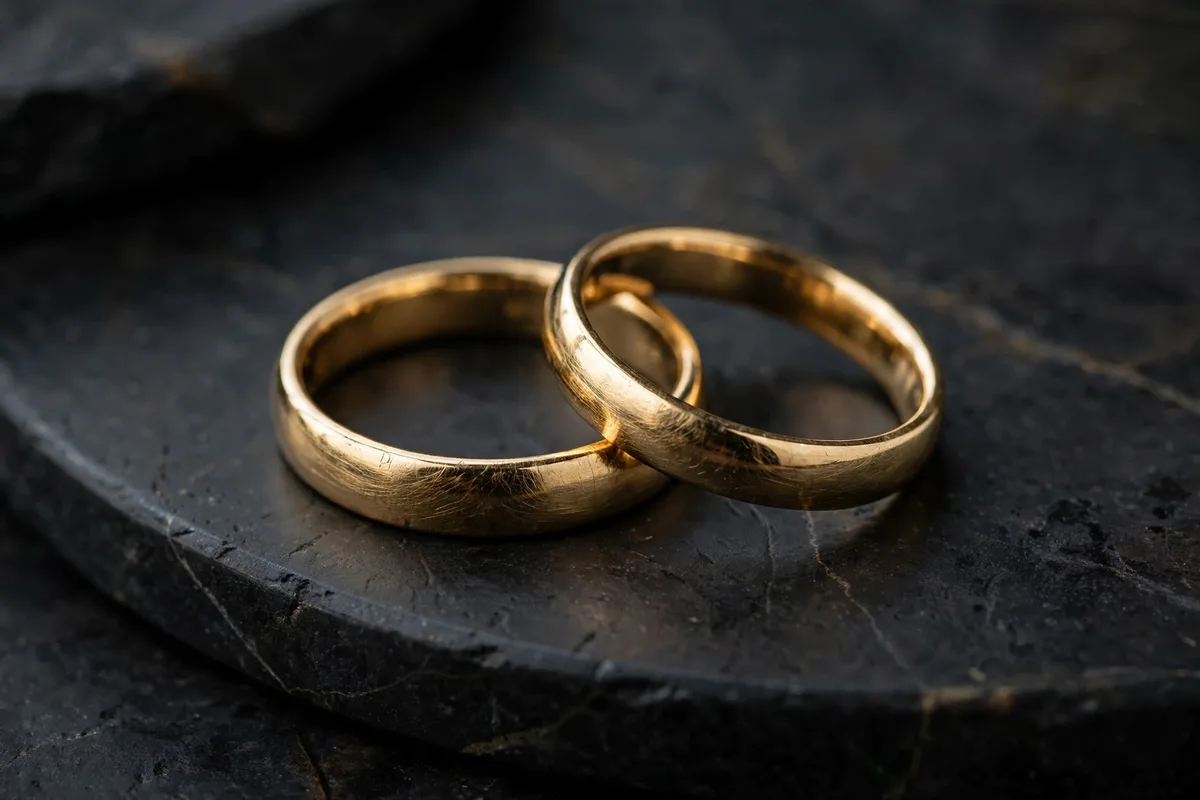
If you’ve ever shopped for a ring, necklace, or pair of earrings, you’ve probably seen the stamp “14K” and wondered what it actually guarantees. Here’s the short answer: 14 karat gold is 58.3% pure gold mixed with 41.7% other metals like copper, silver, and zinc. That blend is the reason 14k is the most popular gold for everyday jewelry in the United States — it’s rich enough to look and feel like real gold, but hard enough to survive daily wear.
This guide breaks down exactly what “14 karat” means, how it compares to 10k, 18k, and 24k, the differences between yellow, white, and rose 14k gold, how to spot genuine pieces, and how to buy and care for them without getting ripped off.
What “14 Karat” Actually Means
The karat system measures gold purity on a 24-part scale. Pure gold is 24 karat — 24 out of 24 parts gold, or 99.9% pure. So 14 karat means 14 out of 24 parts are pure gold, which works out to 58.3% (often rounded to 58.5%) gold content. The remaining 10 parts are alloy metals — typically copper, silver, zinc, and sometimes nickel or palladium.
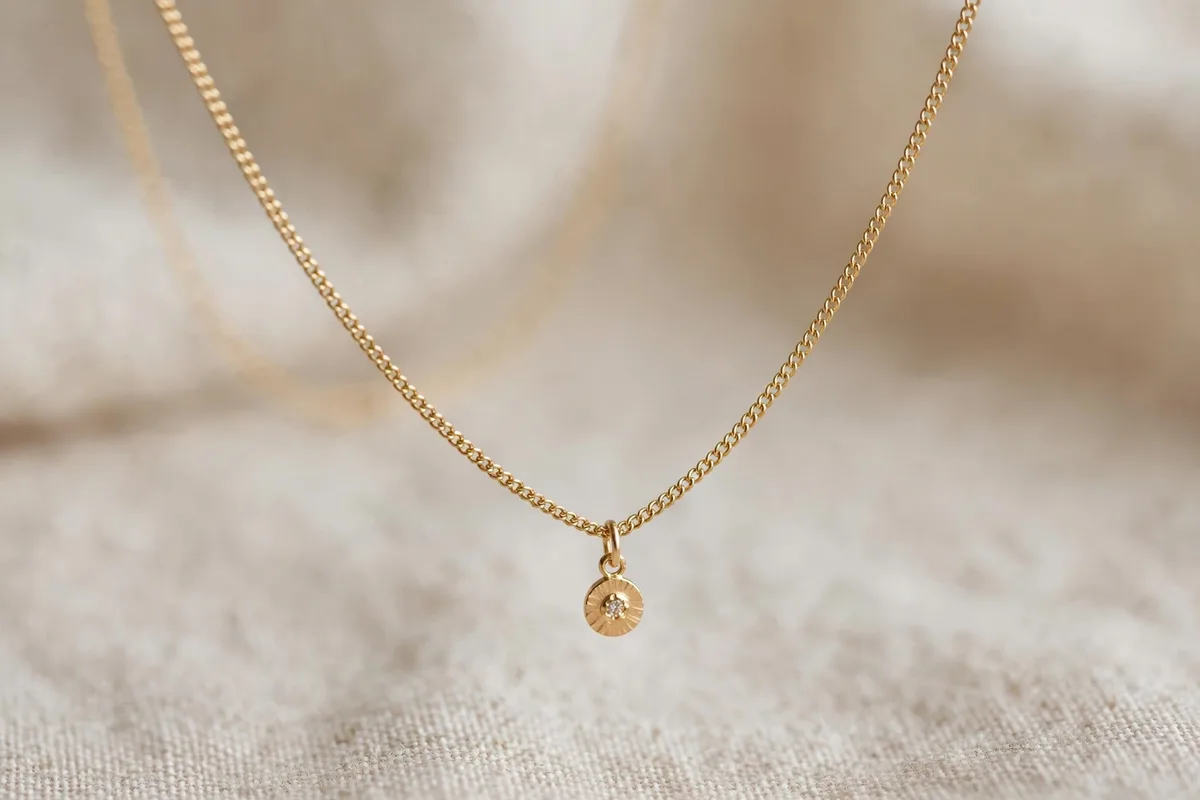
Why not just use pure gold? Because pure gold is soft. A ring made of 24k gold can bend out of round, scratch easily, and lose gemstones from daily wear. Mixing in harder metals gives the gold structural backbone while keeping most of its color and luster. The karat number is simply the trade-off point: more gold means richer color and higher intrinsic value; less gold means more durability and a lower price.
You’ll sometimes see 14k gold marked as “585” — especially on European pieces. That’s the same thing: the European numeric hallmark for 58.5% gold content. Both “14K” and “585” stamps indicate the same alloy standard.
Why 14K Is the American Jewelry Standard
Walk into any jewelry store in the US and most of the fine jewelry cases will be 14k. That’s no accident. Fourteen karat hits the sweet spot that American buyers tend to want: it looks like gold, wears like workwear, and costs significantly less than 18k.
Engagement rings and wedding bands are the classic 14k purchases. These are pieces people wear every single day — typing, cooking, working out, sleeping — and 14k’s hardness resists the scratching and bending that would quickly deform softer 18k or 22k pieces. For earrings, pendants, and chains, 14k gives a warm, genuine gold color without the premium price of higher karats.
It’s also the most widely available option, which means more styles, more sizes, and easier repairs. If you ever need a 14k ring resized, any competent jeweler can do it quickly because they work with the alloy every day.
14K vs. 10K, 18K, and 24K: How They Compare
Here’s how the common karats stack up:
| Karat | Gold content | Durability | Color | Best for |
|---|---|---|---|---|
| 10K | 41.7% | Highest | Paler yellow | Budget everyday pieces |
| 14K | 58.3% | High | Warm, balanced gold | Everyday fine jewelry |
| 18K | 75% | Moderate | Rich, deep yellow | Special-occasion pieces, luxury brands |
| 24K | 99.9% | Very low (soft) | Intense yellow | Bullion, investment, ceremonial pieces |
14k vs. 10k: Both are durable, but 14k has noticeably richer color and more gold value. 10k is the legal minimum to be sold as “gold” in the US, and its higher alloy content means it’s slightly more likely to irritate sensitive skin.
14k vs. 18k: 18k has more gold (75%) and a deeper, more saturated yellow color that many people associate with luxury jewelry. But it’s softer and scratches more easily, and it costs considerably more. Choose 18k for pieces you wear occasionally; choose 14k for daily wear.
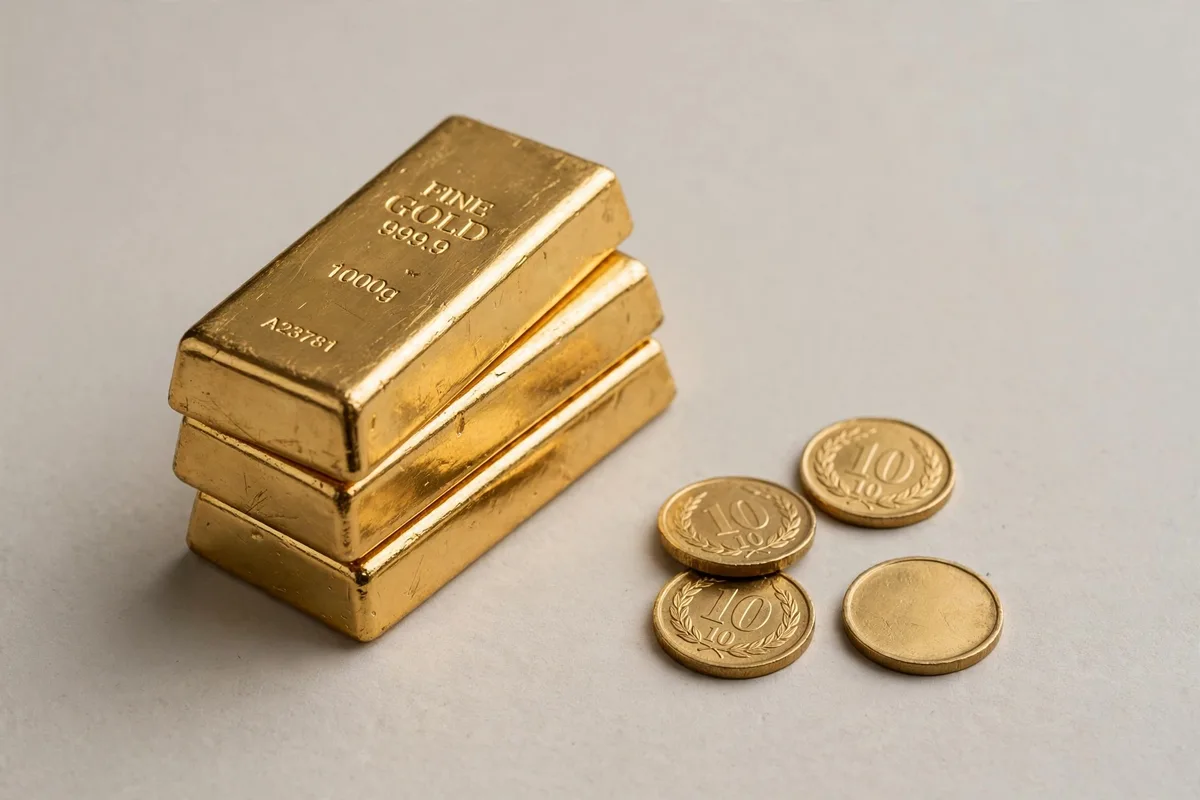
14k vs. 24k: This isn’t really a contest for jewelry. 24k is for investment bars, coins, and ceremonial pieces in cultures where pure gold jewelry is traditional. It deforms too easily for rings or bracelets worn daily.
Yellow, White, and Rose: 14K Comes in Three Colors
All 14k gold starts with the same gold content — the color comes from the alloy mix:
- Yellow 14k gold blends gold with silver and copper for the classic warm tone most people picture when they think of gold.
- White 14k gold mixes gold with nickel, palladium, or zinc, and is usually plated with rhodium for a bright, silvery-white finish. The rhodium plating wears over time and may need re-plating every year or two to keep its bright look.
- Rose 14k gold uses a higher proportion of copper, giving it a romantic pinkish hue. It doesn’t need rhodium plating, so its color is low-maintenance.
All three are equally “real” 14k gold with the same gold content — color is purely a style choice. If you’re matching pieces, note that a 14k yellow gold ring and a 14k white gold band are the same karat even though they look completely different.
How to Tell Real 14K Gold
Genuine 14k gold jewelry should carry a hallmark — a tiny stamp that indicates its purity. Look for:
- “14K” or “14KT” — the US standard mark
- “585” — the European numeric equivalent
- Sometimes “14K GF” or “14K GP” — careful! “GF” means gold-filled and “GP” means gold-plated. These are thin gold layers over base metal, not solid gold.
Check inside ring bands, on earring posts, and on necklace clasps with a magnifying glass or your phone’s zoom. A reputable jeweler will also provide documentation for higher-value pieces. If a deal seems too good to be true — a “solid gold” chain at a fraction of normal prices — it almost certainly is. Also note that white gold’s rhodium plating can hide a multitude of sins, so buy white gold from sellers you trust.
One more reality check: “14k gold” on fashion jewelry sites sometimes describes plating. Read the product description carefully. Phrases like “14k gold plated,” “14k gold dipped,” or “14k gold tone” mean the piece is mostly base metal with a microscopic gold coating.
Buying Tips: Getting Good 14K Gold for Your Money
- Check the hallmark first. No stamp, no sale — or at least, no premium price.
- Buy from reputable sellers. Established jewelers, well-reviewed online retailers with clear return policies, and sellers who provide written descriptions of metal content.
- Match karat to use. Daily-wear rings, bracelets, and chains: 14k. Occasional statement pieces where richness matters most: consider 18k. Trendy pieces you might replace in a year: 14k plated or gold-filled is fine.
- Ask about the alloy if you have metal allergies. Nickel-based white gold is the most common irritant. Nickel-free white gold (palladium-based) or yellow/rose gold are gentler options.
- Consider weight, not just karat. A heavier 14k chain contains more actual gold than a featherweight one and will also last longer. For chains especially, weight is durability.
- Get it appraised for insurance if you’re spending significant money on a diamond or gemstone piece — the appraisal documents the metal and stones for replacement purposes.
Caring for 14K Gold Jewelry
14k gold is low-maintenance, but not no-maintenance. Clean pieces regularly with warm water, a drop of mild dish soap, and a soft toothbrush to get into settings and chain links. Rinse and pat dry with a soft cloth. Store pieces separately — gold can still be scratched by harder gemstones like diamonds, and chains tangle.
Take rings off for heavy housework, weightlifting, and swimming (chlorine is harsh on gold alloys, especially white gold). Have prong settings checked by a jeweler once a year; a loose stone is an expensive lesson. With basic care, 14k gold jewelry easily lasts decades — which is exactly why it became the everyday standard.
Frequently Asked Questions
Is 14k gold real gold?
Yes. 14k gold is 58.3% pure gold alloyed with other metals for strength. It is legally and genuinely gold — just not pure gold, which would be too soft for jewelry.
Is 14k gold good quality?
It’s the standard for quality everyday jewelry in the US. It balances gold content, durability, and price better than any other karat for pieces worn daily.
Will 14k gold tarnish?
14k gold itself resists tarnish well, but the alloy metals can react to chemicals, sweat, and chlorine over time, causing slight discoloration. Regular cleaning prevents most of this. White gold’s rhodium plating wears and needs periodic re-plating.
Is 14k gold worth anything for resale?
Yes — it has real melt value based on its gold content, though resale typically pays below retail. Scrap buyers pay based on the day’s gold price times the piece’s gold weight. Keep expectations realistic: you’re recovering material value, not the retail markup.
Can 14k gold cause skin reactions?
It’s uncommon, but the nickel in some white gold alloys can irritate sensitive skin. Yellow and rose 14k gold, or nickel-free white gold, are better choices if you’re sensitive.
Does 14k gold fade?
The gold itself doesn’t fade. What can happen is rhodium plating on white gold wearing off (revealing slightly yellowish gold underneath) or plated — not solid — pieces wearing through to base metal. Solid 14k keeps its color.
Looking to accessorize your new understanding? Our guide to Italian horn necklace meanings covers a classic gold pendant with deep cultural roots, and types of chain necklaces will help you pick the right 14k chain style. For styling, colors that go with brown pairs surprisingly well with gold tones.

