

Need a code name that sounds cool, stays mysterious, and doesn’t give away what you’re actually working on? A code name generator builds aliases for projects, missions, teams, and characters using proven formulas — most famously the adjective-plus-noun pattern (“Crimson Raven,” “Silent Forge”). Below you’ll find how code names work, huge categorized lists to pick from, and tips for inventing your own.
How Code Names Work
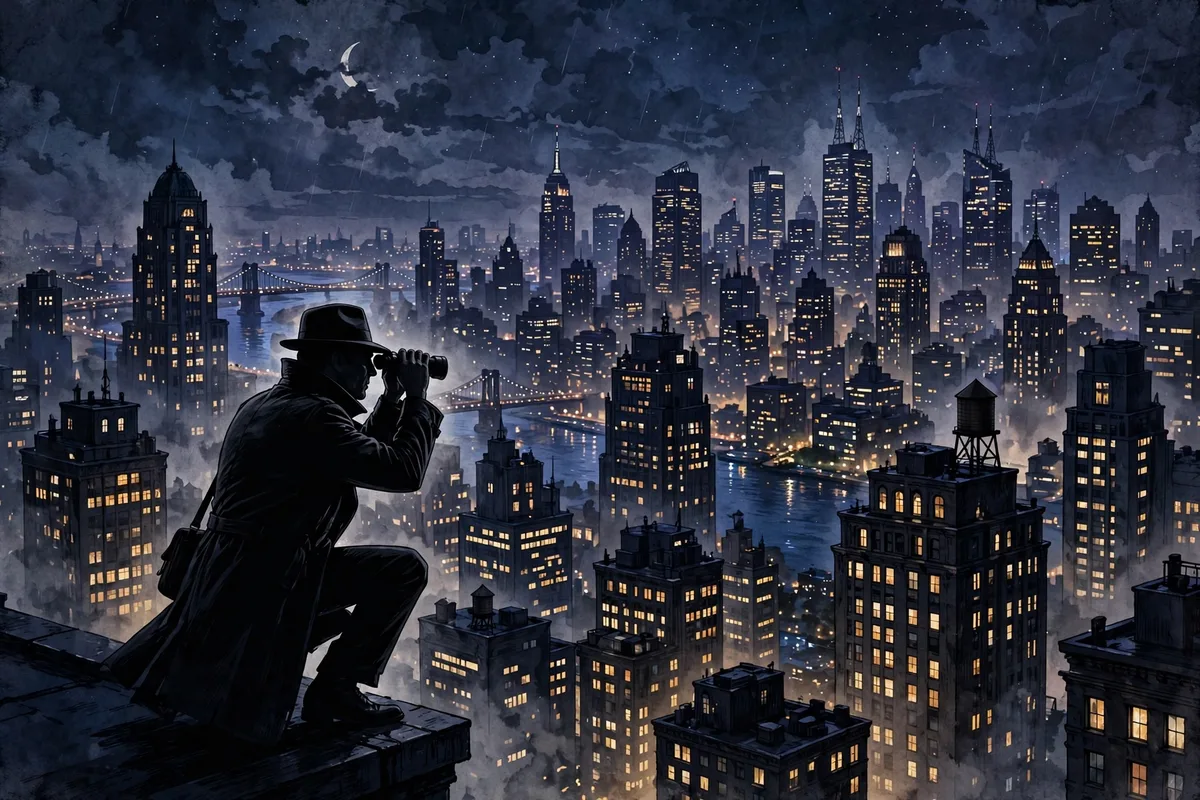
A code name (or codename) is a word or phrase used in place of a real name to keep something confidential or to give it personality. They show up everywhere: military operations, secret projects (Apple and Google famously use internal code names), video game missions, spy fiction, and team nicknames.
The classic patterns:
- Adjective + Noun — “Crimson Raven,” “Silent Forge.” The most common and flexible pattern. Games like XCOM build mission names exactly this way, pairing a list of adjectives with a list of nouns.
- Single word — “Aether,” “Manticore,” “Vortex.” Punchy and easy to use as a callsign.
- Animal names — Ravens, foxes, wolves, and falcons dominate because they suggest traits (cunning, speed, loyalty) without stating them.
- Mythology — Gods, monsters, and legends add instant weight (“Valkyrie,” “Kraken”).
- Color + noun — “Blackbird,” “Red Storm.” Simple, memorable, and evocative.
What makes a good code name? It should be memorable, easy to say out loud (especially over radio or in a meeting), and opaque — it shouldn’t reveal the project’s actual nature. The best ones hint at a vibe without giving anything away. Avoid names that are hard to spell, accidentally offensive in another language, or already famous (calling your stealth project “Manhattan” invites exactly the wrong questions).
Cool Code Names (Adjective + Noun)
The bread and butter of code naming. Pick an adjective column, pick a noun column, combine.
- Crimson Raven
- Silent Forge
- Iron Lantern
- Velvet Storm
- Obsidian Fox
- Hollow Crown
- Amber Wolf
- Midnight Compass
- Copper Hawk
- Frozen Ember
- Scarlet Keystone
- Blind Archer
- Golden Wraith
- Rusty Anchor
- Pale Rider
- Thunder Quill
- Ivory Serpent
- Broken Mirror
- Ashen Falcon
- Lunar Anvil
One-Word Code Names
Short, sharp, and callsign-ready.
- Aether
- Manticore
- Vortex
- Halcyon
- Cipher
- Tempest
- Obsidian
- Valkyrie
- Kraken
- Zenith
- Mirage
- Specter
- Bastion
- Nomad
- Havoc
- Quill
- Sable
- Rift
- Onyx
- Warden
Animal Code Names
Animals are the most popular code name source for a reason — everyone instantly understands what a “Fox” or “Bear” implies.
- Night Owl
- Silver Fox
- Iron Bear
- Ghost Wolf
- Crimson Falcon
- Desert Jackal
- Storm Petrel
- Black Mamba
- White Stag
- Copper Cobra
- Silent Heron
- Ashen Crow
- Thunder Bison
- Pale Viper
- Golden Jackal
- Iron Moth
- Velvet Antler
- Hollow Badger
- Scarlet Ibis
- Frozen Lynx
Mythology-Inspired Code Names
Borrowed gods, monsters, and legends — instant gravitas.
- Valkyrie
- Fenrir
- Icarus
- Minotaur
- Phoenix
- Chimera
- Gorgon
- Titan
- Oracle
- Sphinx
- Cerberus
- Hydra
- Pegasus
- Jormungand
- Anubis
- Kitsune
- Banshee
- Golem
- Valknut
- Eidolon
Tech and Project Code Names
Clean, neutral, and corporate-safe — good for real projects where the name appears in calendars and documents.
- Project Northstar
- Blue Mesa
- Quartzline
- Signal Drift
- Copperfield
- Paper Lantern
- Glass Harbor
- Ironwood
- Sandpiper
- Keystone Relay
- Marble Arch
- Juniper Switch
- Harborlight
- Flintlock
- Cedar Circuit
- Northbound
- Tidal Lock
- Paper Crane
- Slate Roof
- Beacon Hill
Funny Code Names
For game nights, fantasy leagues, and projects that don’t take themselves too seriously.
- Operation Snack Run
- Captain Obvious
- The Biscuit Bandit
- Midnight Muffin
- Agent Waffles
- Project Nap Time
- The Couch Commando
- Sir Loin of Beef
- Quantum Pickle
- The Clipboard Avenger
- Stealth Taco
- Major Payne-in-the-Neck
- The Duct Tape Division
- Lieutenant Latte
- Operation Déjà Vu
Code Name Formulas: Build Your Own
The 30-second method: Pick one word from each list and combine them.
Adjectives: Crimson, Silent, Iron, Velvet, Obsidian, Hollow, Amber, Midnight, Copper, Frozen, Scarlet, Golden, Ashen, Lunar, Ivory, Broken, Pale, Thunder, Rusty, Blind
Nouns: Raven, Forge, Lantern, Storm, Fox, Crown, Wolf, Compass, Hawk, Ember, Keystone, Archer, Wraith, Anchor, Rider, Quill, Serpent, Mirror, Falcon, Anvil
That’s 400 combinations from two short lists. Add a theme list (animals, weather, metals, constellations) and you’ll never repeat yourself.
The persona method: Start with what the name should suggest — speed, secrecy, strength, mystery — and brainstorm words in that lane. “Stealthy night operative” gives you Shadow, Night, Owl, Ghost, Whisper. Combine: Nightwhisper, Ghost Owl, Shadow of Night.
The rules of the road:
- Say it out loud three times. If you stumble, simplify.
- Google it before committing — you don’t want your top-secret project sharing a name with a famous scandal or a competitor’s product.
- Avoid numbers that imply order or version (“Project 7” begs the question “what happened to 1–6?”).
- Keep it short enough to work as a filename, a Slack channel, and a spoken callsign.
How to Pick the Right Code Name
For a real project: Go neutral and boring-adjacent. “Harborlight” is perfect — pleasant, meaningless, and ungoogleable in a work context. Avoid anything edgy that looks bad in a leaked email.
For fiction or gaming: Go evocative. The name should tell the reader something about the mission or character before the story does. “Operation Ashen Crown” promises a fallen kingdom; “Ghost Wolf” promises a lone predator.
For a team or group chat: Go funny. The dumber the name, the stronger the bonding. “The Duct Tape Division” will outlive three rebrands.
For personal use (gamer tags, pen names): Check availability. A great code name you can’t use as a username is just a great disappointment. Have two or three backups ready.
If you’re naming a character rather than a project, our superhero name generator and nickname ideas lists can help you find the right flavor.
FAQ
What is a code name generator?
A code name generator is a tool or list that produces aliases — words or phrases used instead of real names — for projects, missions, teams, or characters. Most generators combine word lists (like adjectives + nouns) to create names that sound cool while revealing nothing about the actual subject.
What are some good code name examples?
Classics include “Crimson Raven,” “Silent Forge,” “Night Owl,” “Iron Bear,” and “Project Northstar.” Good code names are memorable, easy to pronounce, and opaque — they hint at a mood without giving away secrets.
How do I come up with a code name for my project?
Pick the vibe you want (neutral, cool, funny), then combine an adjective with a noun from themed word lists. Say candidates out loud, check they aren’t already famous or trademarked, and avoid names that hint at what the project actually is.
What’s the difference between a code name and a nickname?
A code name usually hides an identity or a project’s nature (secrecy is the point), while a nickname is a familiar, affectionate alternate name for a person (familiarity is the point). A spy has a code name; your buddy Dave has a nickname.
Can I use a code name generator for my business project?
Yes — many companies use internal code names for unreleased products. Just keep the name neutral, check it doesn’t collide with a trademark, and remember that “cool” matters less than “won’t embarrass us if it leaks.”

Pingback: 90 Cowboy Nicknames: Cool, Tough & Funny Western Ideas