

Your pet can’t tell you something is wrong — and they’re remarkably good at hiding it. By the time a dog or cat looks obviously sick, the problem has often been building for a while. The skill that matters most isn’t medical knowledge; it’s noticing. This guide teaches you what “normal” looks like, which observable changes demand immediate action, which warrant a same-day call, and how to give your vet clear information. It doesn’t diagnose anything — that’s your veterinarian’s job.
Why Pets Hide Illness (and Why You’re the Early Warning System)
In the wild, showing weakness is dangerous, so dogs and especially cats instinctively mask pain and illness. A cat with a painful mouth will still try to eat. A dog with a sore leg will still greet you at the door. The signs are there, but they’re subtle: eating a little slower, sleeping in a new spot, hesitating before jumping.
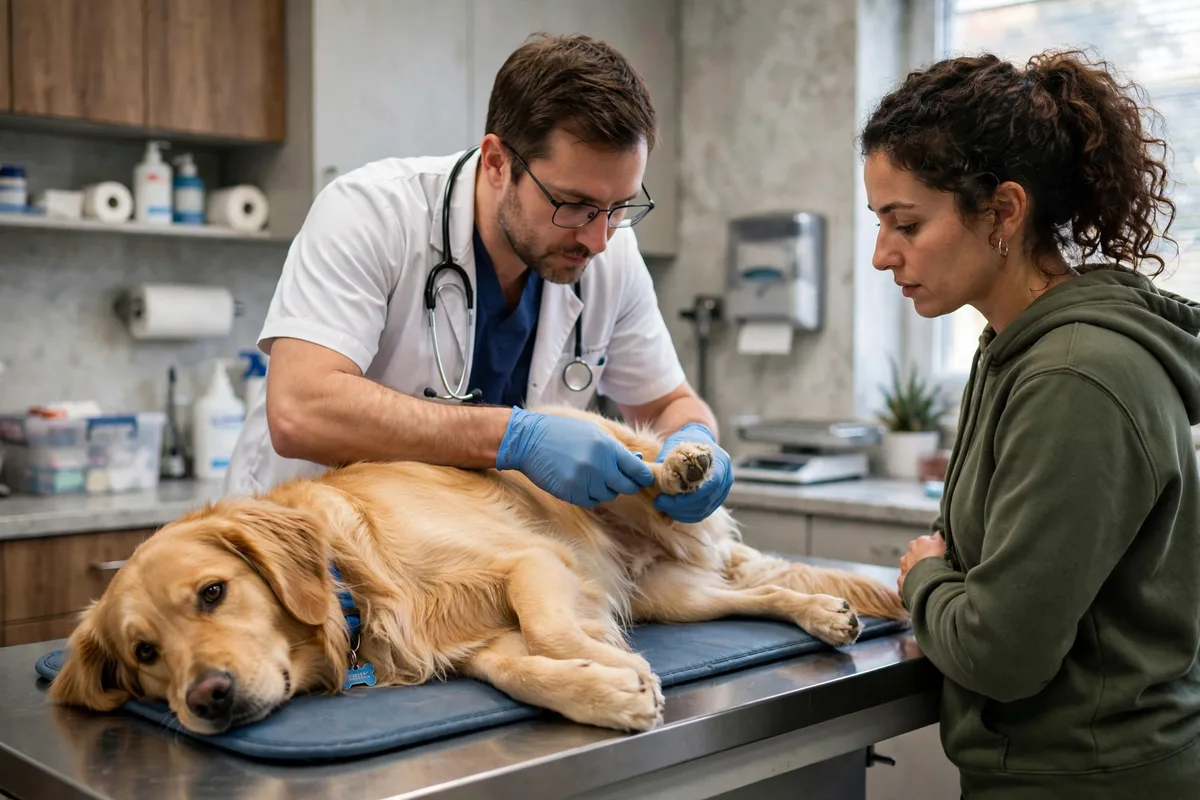
This means waiting until you’re sure something is wrong is waiting too long. The owners who catch problems early aren’t veterinarians — they’re people who know their pet’s normal so well that “slightly off” registers immediately.
Step 1: Learn Your Pet’s Normal
You can’t spot abnormal if you don’t know normal. Spend a few days noting the baselines:
- Eating and drinking: how much, how fast, how often the bowl gets refilled
- Energy: play drive, walk enthusiasm, nap schedule
- Bathroom: frequency, and what’s typical in the box or the yard
- Resting breathing rate: count breaths for 15 seconds while your pet sleeps calmly, multiply by four. Note the number.
- Gum color: lift the lip and note the color when your pet is healthy — your reference point for later
- Behavior: greetings, vocalizing, favorite spots, sociability
Write these down — your phone notes app is fine, or your pet records file. Refresh a couple of times a year as “normal” drifts with age and season. When something changes, you’ll have facts instead of a vague feeling.
Step 2: Recognize the Signs That Mean “Go Now”
These observable signs warrant immediate emergency veterinary care — don’t wait to see if they improve:
- Difficulty breathing: labored breathing, gasping, wheezing, open-mouth breathing in a cat, or gums that look pale, gray, or blue instead of their normal color
- Collapse, fainting, or inability to stand
- Seizure — especially a first seizure, one lasting more than a couple of minutes, or several in a row
- Uncontrolled bleeding or bleeding that doesn’t slow with gentle pressure
- Bloated, hard, painful abdomen, especially with unproductive retching
- Suspected poisoning: you saw your pet eat something toxic, or found chewed packaging, plus sudden vomiting, drooling, tremors, or collapse
- Major trauma: hit by a car, fall from height, animal attack — even if your pet seems okay, internal injuries aren’t visible
- Straining to urinate with little or no output, especially in male cats
- Sudden inability to use the back legs, sudden blindness, or extreme disorientation
- Signs of extreme pain: screaming, biting when touched, rigid body, refusal to move
If you see any of these: stay calm, keep your pet as still and quiet as possible, and get to an emergency vet immediately — call on the way so they can prepare. A muzzle on a dog in severe pain protects everyone, since pain makes even gentle pets bite. Emergency resources like VMSG’s signs your pet needs an emergency vet list these same red flags; when in doubt, the clinic would rather see a false alarm than a pet that arrived too late.
Step 3: Recognize the Signs That Mean “Call Today”
These are urgent but not necessarily middle-of-the-night emergencies. Call your vet the same day you notice them:
- Not eating for 24 hours (sooner for very small, very young, or diabetic pets — ask your vet for your pet’s threshold)
- Repeated vomiting or diarrhea, especially with blood, or any vomiting/diarrhea paired with lethargy
- Limping or lameness that doesn’t resolve within a few hours of rest
- Eye problems: squinting, holding an eye shut, sudden cloudiness, discharge, or pawing at the eye
- Straining to urinate or defecate, or urinating much more or less often than normal
- A wound, bite, or swelling that’s getting bigger, hot, or oozing
- Sudden behavior change: hiding, aggression, restlessness, or vocalizing in a way that’s new
- Coughing or sneezing that’s persistent or getting worse over a day or two
- A lump or bump that’s new, growing quickly, or bothering your pet
When you call, describe what you see — not what you think it is. “She’s vomited four times since breakfast and won’t drink water” gets your pet triaged correctly; “I think she has a stomach bug” doesn’t.
Step 4: Recognize the Signs to Watch at Home
Not everything needs a vet visit. These milder changes are worth monitoring for 24–48 hours, with a call to your vet if they persist, worsen, or stack up:
- A single episode of vomiting or soft stool, with normal energy and appetite otherwise
- Slightly lower energy for a day after excitement, travel, or a schedule change
- Skipping one meal but otherwise acting normal
- Mild, occasional sneezing with no discharge
Watchful waiting is not ignoring. Note when it started, how often it happens, and whether appetite, water, energy, and bathroom habits stay normal. If a second mild sign joins the first, that combination moves it to Step 3. Trust the trend more than any single moment.
Step 5: Assess Calmly and Report Clearly
When something seems off, run through this quick assessment before you call. It keeps you focused and gives the vet exactly what they need:
- When did it start — sudden or gradual?
- What exactly do you see? Observable facts: “breathing fast while lying down,” not “having trouble breathing, I think.”
- What are the basics doing? Eating, drinking, urinating, defecating — normal, reduced, or stopped?
- Energy and behavior: playing, resting normally, hiding, restless?
- Anything they got into? New food, trash, plants, medications, chemicals.
- What have you already done? Report it so the vet knows.
Write it down before you call — stress scrambles memory, and the vet’s first questions will be exactly these. If you’re unsure whether it’s an emergency, call anyway and let the clinic decide. That’s what they’re there for.
Step 6: Prepare Before Anything Happens
Emergencies are bad times to look things up. Set this up now, while everything is fine:
- Save your vet’s number, the nearest 24-hour emergency clinic’s number and address, and the ASPCA Animal Poison Control number in your phone. Put them on paper on the fridge too.
- Keep a pet emergency contact sheet with your pet’s medications, conditions, and your backup human’s number.
- Know your route to the emergency clinic — drive it once in daylight so you’re not navigating at midnight.
- Keep a carrier accessible (not buried in the garage) and your pet comfortable with it. Our guide to routine vet visit questions helps you get more out of regular checkups, which catch many problems before they become emergencies.
Dog vs. Cat: What’s Different
Cats are the masters of hiding illness. A cat who stops grooming, hides in a new spot, or sits hunched and still is telling you something. In multi-cat homes, watch the litter box for changes in who’s going more, less, or outside the box.
Dogs tend to be more demonstrative: whining, panting when it’s not hot, pacing, or guarding a body part are all clear signals. But stoic breeds push through pain, so a wagging tail doesn’t mean all is well.
Troubleshooting Uncertainty
| Situation | Try this |
|---|---|
| You’re not sure it’s an emergency | Call the vet or emergency clinic and describe the signs. Let them triage — that’s literally their job, and they’d rather hear from you early. |
| It happens after hours | This is why Step 6 exists: the emergency clinic number is already in your phone. Don’t wait until morning for anything from Step 2. |
| Your pet seems fine at the vet | Common — adrenaline masks symptoms. Show your notes and phone videos from home; a video of the behavior is worth a thousand descriptions. |
| The vet’s advice conflicts with your gut | Ask questions until you understand the reasoning. If you’re still uneasy, a second opinion is always your right. |
| Money is tight | Say so upfront. Ask for an estimate, what can be staged, and about payment plans before declining anything. |
| Multiple mild signs at once | Stacked mild signs count as one bigger concern. Two or three “watch at home” items together warrant a call. |
Frequently Asked Questions
How do I know if my pet is in pain?
Look for behavior changes rather than a single tell: restlessness, panting when it’s not hot, reluctance to move or be touched, hiding, loss of appetite, or vocalizing. Cats may sit hunched, stop grooming, or avoid jumping. Pain usually shows up as “not themselves.” Only your vet can assess and address pain, so report what you observe.

My pet vomited once but seems fine — should I worry?
A single episode with normal energy, appetite, and behavior afterward is usually fine to monitor. Call your vet if vomiting repeats, if there’s blood, if your pet becomes lethargic, or if appetite disappears. Puppies, kittens, and tiny breeds dehydrate faster, so call sooner for them.
What’s the fastest way to tell if something is seriously wrong?
Check the big three: breathing, responsiveness, and bleeding or obvious trauma. If any is abnormal, that’s an emergency. For everything else, run the Step 5 assessment and call your vet.
Should I look up my pet’s symptoms online?
Online symptom lists can’t examine your pet, and they reliably produce either false reassurance or panic. Use the internet to find your vet’s phone number and hours — then call.
How can I prepare my kids for a pet emergency?
Give them one job: stay calm and get an adult. Teach older kids the emergency vet’s location and the rule that they never try to treat the pet themselves. Rehearse it once, like a fire drill.
Noticing Is the Skill
You don’t need medical training to protect your pet’s health. You need a baseline, the willingness to act on “slightly off,” and the humility to call the professionals when something crosses a line. Learn your pet’s normal this week, put the emergency numbers in your phone today — and when something worries you, call your vet. They would much rather talk you down from a false alarm than meet your pet for the first time in a crisis.


Pingback: Vet Visit Questions Answered: What to Expect & Ask